JillLebofsky may earn a commission if you buy through links on this page, at no extra cost to you. That does not change what we report.
Part of our Whispeara overview. Last checked November 17, 2026.
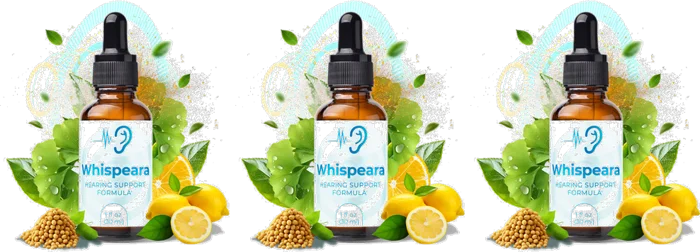
Does Whispeara work? No published study has tested Whispeara, and none of the 22 items in its 200 mg proprietary blend has a human trial for tinnitus or hearing loss.[1] The vendor sells it as a hearing support formula, yet the label reads like an energy and weight-loss blend.
Split 200 mg 22 ways and each item averages about 9 mg, far below the amounts used in the studies that do exist for these ingredients.
Does Whispeara work? The short answer
Nothing on record shows Whispeara reduces ringing or improves hearing. The vendor offers no product trial, and the ingredient studies we found measured blood pressure, blood sugar, alertness, exercise and weight, not ears.
Two independent sources set the baseline. The American Academy of Otolaryngology, Head and Neck Surgery (AAO-HNS) guideline recommends against dietary supplements for persistent, bothersome tinnitus.[2] The NIH's National Institute on Deafness and Other Communication Disorders (NIDCD) says the vitamins, herbal extracts and supplements advertised for tinnitus have not been proven effective.[3]
What we can conclude: Whispeara is an untested blend with hidden amounts. What we cannot conclude: that it does nothing for every buyer, because no one has run the trial. Our how we check products page explains why we treat missing evidence as missing, not as proof either way.
Which evidence levels should you not confuse?
Sales pages often blend four different kinds of evidence into one promise. Only the last two tell you whether a product works.
Plausibility
A plausible story sounds like this: green tea "improves blood flow to the ears," so it should help hearing. That is the vendor's wording, and no Whispeara ingredient has a human hearing study behind such a claim.[1]
Ingredient trials
Some Whispeara ingredients have human trials, but for other goals. Grape seed extract modestly lowered blood pressure across 16 trials at 100 to 2,000 mg a day.[6] Gymnema lowered blood sugar in people with type 2 diabetes at 200 to 1,000 mg a day.[7] Neither result says anything about tinnitus.
Finished-product trial
This is a study of Whispeara itself, at its own dose, against a placebo. None exists. The vendor's "4.98/5 based on 2000+ reviews" names no platform and is not a trial.[10]
Replication
A single positive trial needs a second team to repeat it. Supplements that have been tested for tinnitus repeatedly, such as ginkgo and zinc, still failed to show clear benefit in Cochrane reviews.[4][5] Neither is on the Whispeara label.
Whispeara claims vs what the evidence supports
The vendor's claims are attributed below and set against what the evidence cards show. The sales page highlights 6 of the 22 blend items and leaves out guarana, raspberry ketones and the licorice compound.[1]
| Vendor claim | Reasonable reading | Limitation |
|---|---|---|
| "SILENCE IT!" (the noise) | Marketing line | No product trial; AAO-HNS advises against supplements for persistent tinnitus |
| Green tea "improves blood flow to the ears" | Untested for ears | Green tea trials looked at weight; Cochrane found no clinically important loss |
| Grape seed "antioxidants protect the ear" | Untested for ears | Trials measured blood pressure at 100 mg a day or more |
| Gymnema "supports hearing" | No basis found | Studied for blood sugar at 200 mg a day or more |
| GABA "relieves anxiety" | Weak evidence | Review found limited, low-quality data; unclear if oral GABA reaches the brain |
| Difference "after the first week" | Vendor timeline | No study measured it |
Sources for the table: the vendor sales page and the evidence on gymnema, grape seed, GABA and green tea.[1][6][7][8][9]
Which ingredients matter most?
The ingredients that could matter most are the ones with real effects at real doses, and on this label those effects are not about hearing. The bigger problem is dose: the whole blend weighs 200 mg, less than a single study dose of several items in it.
| Ingredient | Doses studied | What the trials measured |
|---|---|---|
| Gymnema leaf | 200 to 1,000 mg a day | Blood sugar in type 2 diabetes |
| Grape seed extract | 100 to 2,000 mg a day | Blood pressure |
| Guarana seed | 37.5 to 300 mg per dose | Short-term alertness, mostly from caffeine |
| GABA | 20 to 300 mg | Stress and sleep, low-quality data |
Population matters too. The gymnema trials enrolled people with diabetes, and the guarana work looked at healthy adults doing mental tasks.[7][11] Neither group was chosen for tinnitus. The full list, with grades for all 22 items, is on our Whispeara ingredients page.
What results are realistic to expect?
Based on the trials, no change in ringing or hearing is a realistic expectation. The vendor says "most people start feeling a difference after the first week" and that results build over 3 months or longer, but no study measured either timeline.[1]
If you notice anything, guarana is the most likely source. It contains caffeine, and its measured effects are short-term alertness, not quieter ears.[11] The amount in Whispeara is hidden, so you cannot count it against your daily caffeine. A 2026 systematic review of over-the-counter tinnitus products concluded that no firm conclusions can be drawn about any of them.[12] Safety points for guarana and the licorice compound are on our Whispeara side effects page.
When should you see a doctor instead?
See a doctor before trying any supplement if ringing is new, persistent or affects your daily life. NIDCD advises starting with a primary care doctor, who checks for earwax or fluid, and says imaging may be ordered, especially when tinnitus pulses.[3]
See a doctor right away if:
- hearing drops suddenly in one or both ears
- the ringing is in one ear only, or beats in time with your pulse
- it comes with dizziness, vertigo, facial weakness or numbness
- it follows a head or neck injury
- it starts after a new medicine or a higher dose
The AAO-HNS guideline asks clinicians to evaluate one-sided tinnitus, pulsing tinnitus and tinnitus with hearing loss or nerve symptoms promptly.[2] Our main-site guide to sensorineural hearing loss covers the hearing test side.
Evidence conclusion
Whispeara has no product trial, hides every dose and lists ingredients studied for other purposes. On the evidence, it does not have a shown effect on tinnitus or hearing.
| Decision question | Assessment, November 17, 2026 |
|---|---|
| Has Whispeara been tested? | No published trial found |
| Do its ingredients have hearing trials? | None of the 22 |
| Are doses disclosed? | No, one 200 mg blend |
| What do ear specialists advise? | Against supplements for persistent tinnitus |
| Lowest price | $158 for 2 bottles, checked November 17, 2026 |
If you still want to try it, buy the 2-bottle order, note the purchase date for the 90-day refund window, and read is Whispeara legit for the refund steps.[10]
Back to the Whispeara overview.
Frequently asked questions
Is there any study on Whispeara itself?
No. We found no published trial of Whispeara at its own dose. The vendor shows a 4.98 out of 5 rating from 2000+ reviews but names no platform, and a rating is not a controlled study of whether the product changes tinnitus.
How long does Whispeara take to work?
The vendor says most people feel a difference after the first week and that results build over 3 months or longer. No study measured either timeline, so treat them as sales claims, not expected results.
Can a supplement stop ringing in the ears?
No supplement has been shown to do this. NIDCD says advertised vitamins, herbs and supplements for tinnitus are unproven, and the AAO-HNS guideline recommends against dietary supplements for persistent, bothersome tinnitus.
Why would I feel something after taking Whispeara?
The label includes guarana seed, a caffeine source, and green tea leaf extract. Caffeine can cause short-term alertness or jitteriness. The amounts are hidden in a 200 mg blend, so the size of any effect cannot be predicted.
What helps tinnitus if supplements do not?
NIDCD lists hearing aids for people with hearing loss, sound generators, cognitive behavioral therapy and tinnitus retraining therapy. A primary care doctor or ENT can check for earwax, infection and hearing loss first.
Sources
- Whispeara sales page and Supplement Facts label. getwhispeara.com, read November 17, 2026.
- Clinical Practice Guideline: Tinnitus (Tunkel et al., 2014). Otolaryngology, Head and Neck Surgery, read November 17, 2026.
- Tinnitus. NIDCD, National Institutes of Health, updated May 1, 2023, read November 17, 2026.
- Ginkgo biloba for tinnitus (Sereda et al., 2022). Cochrane Database of Systematic Reviews, read November 17, 2026.
- Zinc supplementation for tinnitus (Person et al., 2016). Cochrane Database of Systematic Reviews, read November 17, 2026.
- Grape seed extract and blood pressure: meta-analysis of 16 trials. PubMed, read November 17, 2026.
- Gymnema sylvestre and glycemic control: meta-analysis. PubMed, read November 17, 2026.
- Oral GABA for stress and sleep: systematic review. PubMed, read November 17, 2026.
- Green tea for weight loss and maintenance. Cochrane Database of Systematic Reviews, read November 17, 2026.
- Whispeara order page. getwhispeara.com, read November 17, 2026.
- Guarana and cognition: systematic review and meta-analysis (2023). PubMed, read November 17, 2026.
- Over-the-counter tinnitus treatments: systematic review (2026). Laryngoscope Investigative Otolaryngology, read November 17, 2026.
This page is general information, not medical advice. Dietary supplements are not reviewed by the FDA for safety or effectiveness before they are sold and are not intended to diagnose, treat, cure or prevent any disease. Talk to your doctor before taking any supplement, especially if you are pregnant, nursing, take medication or have a health condition.